Insights from the Logistics Vanguard
Stay informed with articles from our logistics experts:

The Importance of Documentation in Modern Logistics

"Quality is never an accident; it is always the result of intelligent effort."
— John Ruskin (1819–1900), English writer, art critic, philosopher, and leading social thinker of the Victorian era
John Ruskin's words perfectly reflect the importance of precision in logistics documentation. While he was not a logistics expert, his philosophy on quality is universally applicable to industries where accuracy and attention to detail determine success.
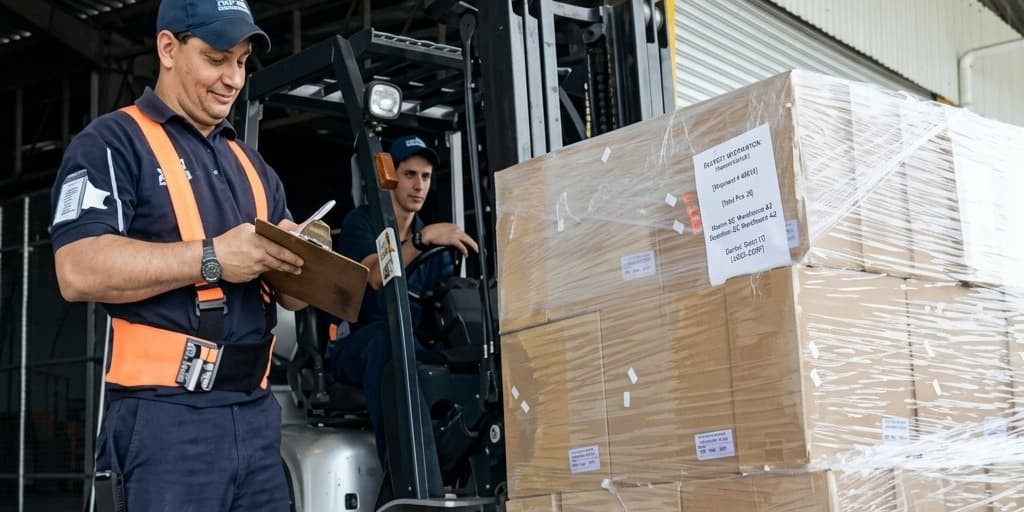
Documentation is the backbone of international logistics, ensuring that goods move seamlessly across borders while complying with global trade regulations. From commercial invoices and packing lists to bills of lading, certificates of origin, and customs declarations, every document plays a vital role in preventing delays, minimizing risks, and maintaining supply chain efficiency.
Even the most advanced logistics technologies cannot compensate for inaccurate or incomplete documentation. Errors can lead to customs holds, financial penalties, shipment delays, and disruptions that affect the entire supply chain. In today's fast-paced global marketplace, precision in documentation is just as important as speed in transportation.
At KAAF LOGISTICS, we understand that accurate documentation is not merely an administrative requirement—it is a strategic component of successful logistics. Our experienced professionals ensure every shipment is supported by complete, compliant, and timely documentation, enabling smooth customs clearance and reliable global cargo movement.
You Might Also Like

How Artificial Intelligence is Redefining Global Logistics
"Artificial intelligence is one of the most profound things we're working on. It's more profound than electricity or fire."The Next Evolution of LogisticsEvery second, thousands of shipments move across oceans, skies, roads, and rail networ...