Insights from the Logistics Vanguard
Stay informed with articles from our logistics experts:
Sea Freight: The Backbone of Global Trade

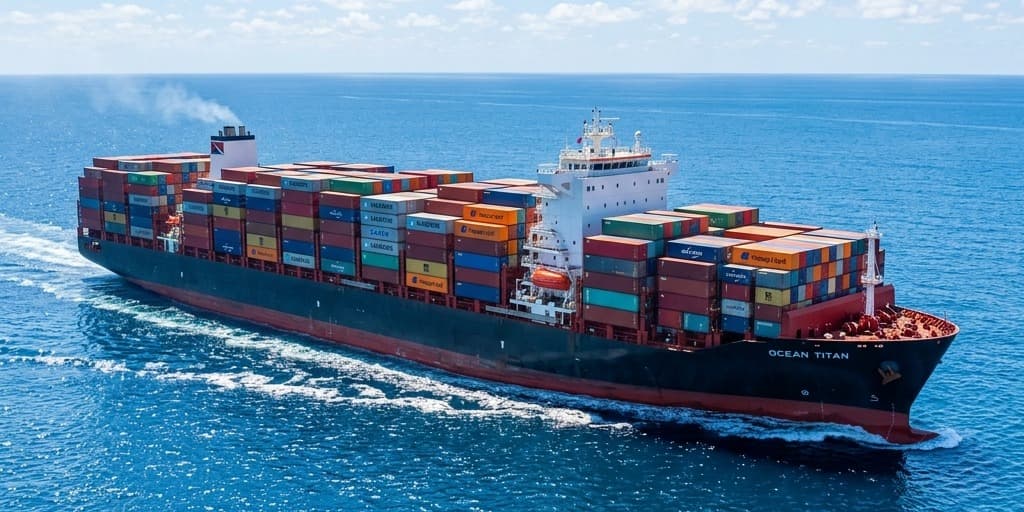
In today's interconnected world, sea freight is a vital part of global trade, moving goods across oceans and connecting countries and continents. As one of the oldest and most cost-effective methods of transportation, sea freight continues to play a crucial role in the global supply chain. In this blog post, we'll explore the essentials of sea freight, its advantages, and why it remains indispensable.
Sea freight involves transporting goods via cargo ships, ranging from small vessels to massive container ships capable of carrying thousands of containers. It is the most common mode for international trade, especially for bulk cargo, oversized items, and goods that are not time-sensitive.
Advantages of Sea Freight
- Cost-Effectiveness: For large volumes and heavy goods, sea freight is significantly cheaper than air freight, making it ideal for businesses looking to minimize shipping costs.
- Capacity: Cargo ships can carry enormous quantities of goods, far exceeding the capacity of air or land transport. This makes it suitable for bulk commodities and large-scale manufacturing components.
- Environmental Impact: While shipping does contribute to emissions, it is generally considered more fuel-efficient per ton-mile compared to air freight, leading to a lower carbon footprint for large shipments.
- Global Reach: With thousands of ports worldwide, sea freight offers unparalleled access to global markets, facilitating international trade on a massive scale.
Challenges and Considerations
Despite its advantages, sea freight comes with challenges, including longer transit times, potential for delays due to weather or port congestion, and the need for efficient inland transportation to and from ports. Businesses must plan carefully, considering lead times and inventory management.
However, ongoing innovations in shipping technology, port automation, and supply chain visibility are continually improving the efficiency and reliability of sea freight. It remains the backbone of global trade, enabling businesses to connect with markets and suppliers across the world.
You Might Also Like

How Artificial Intelligence is Redefining Global Logistics
"Artificial intelligence is one of the most profound things we're working on. It's more profound than electricity or fire."The Next Evolution of LogisticsEvery second, thousands of shipments move across oceans, skies, roads, and rail networ...